Hope
Honestly, we had not visited the Hatikva neighbourhood for years. Before returning there recently, we probably thought the same as many others. But when we arrived at the site, we discovered a great deal of old-fashioned charm - the kind that does not appear in magazines or make the evening news.
It is a nostalgic neighbourhood, with both its positive and difficult sides. There are many small houses, people sitting on balconies and in public gardens, a lively street, a local grocery shop - a real, living neighbourhood.
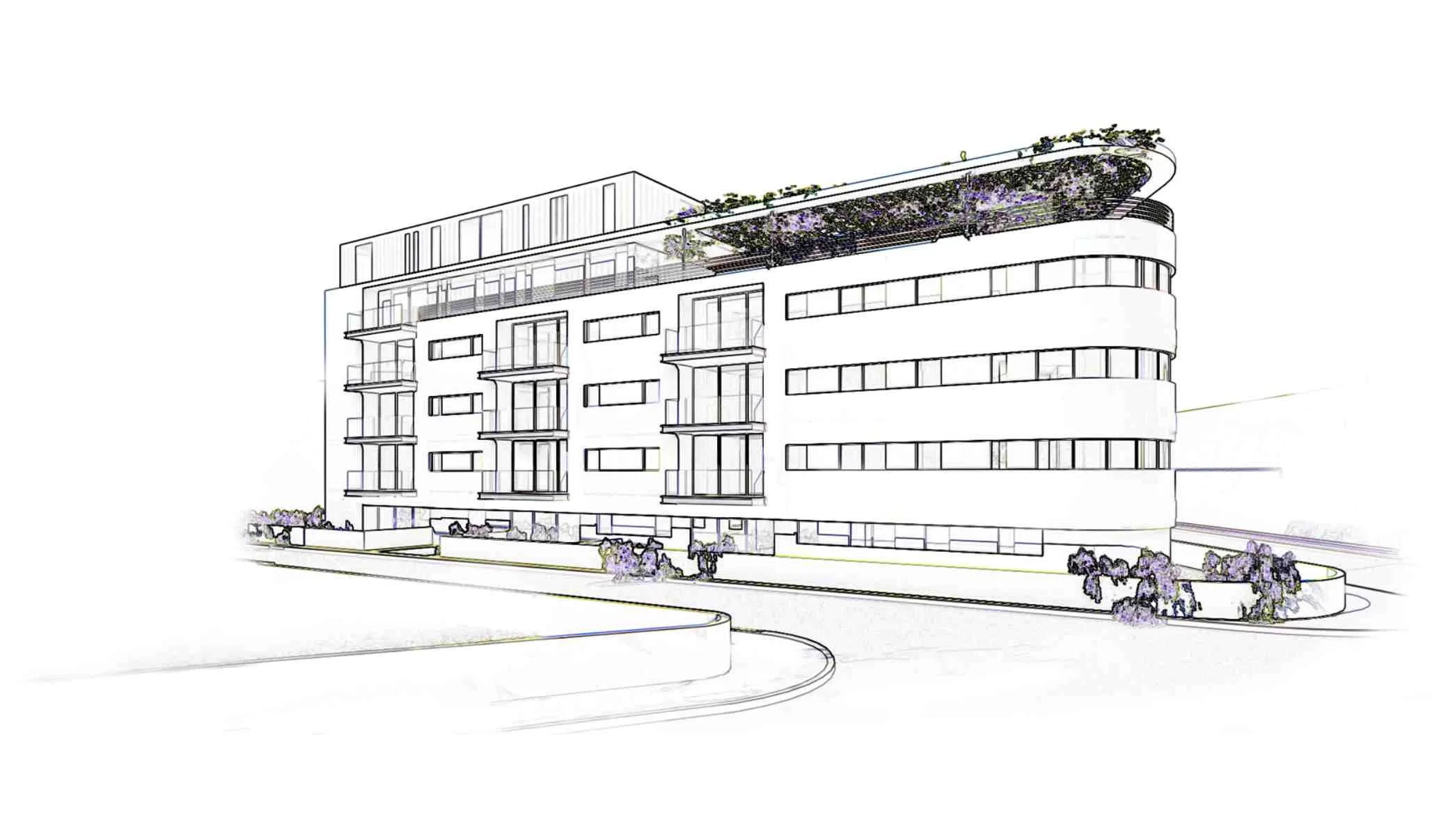
We knew that we could not design two eight-storey buildings that looked as though they had been copied and pasted from a generic development in Ashdod, Hadera or Netanya.
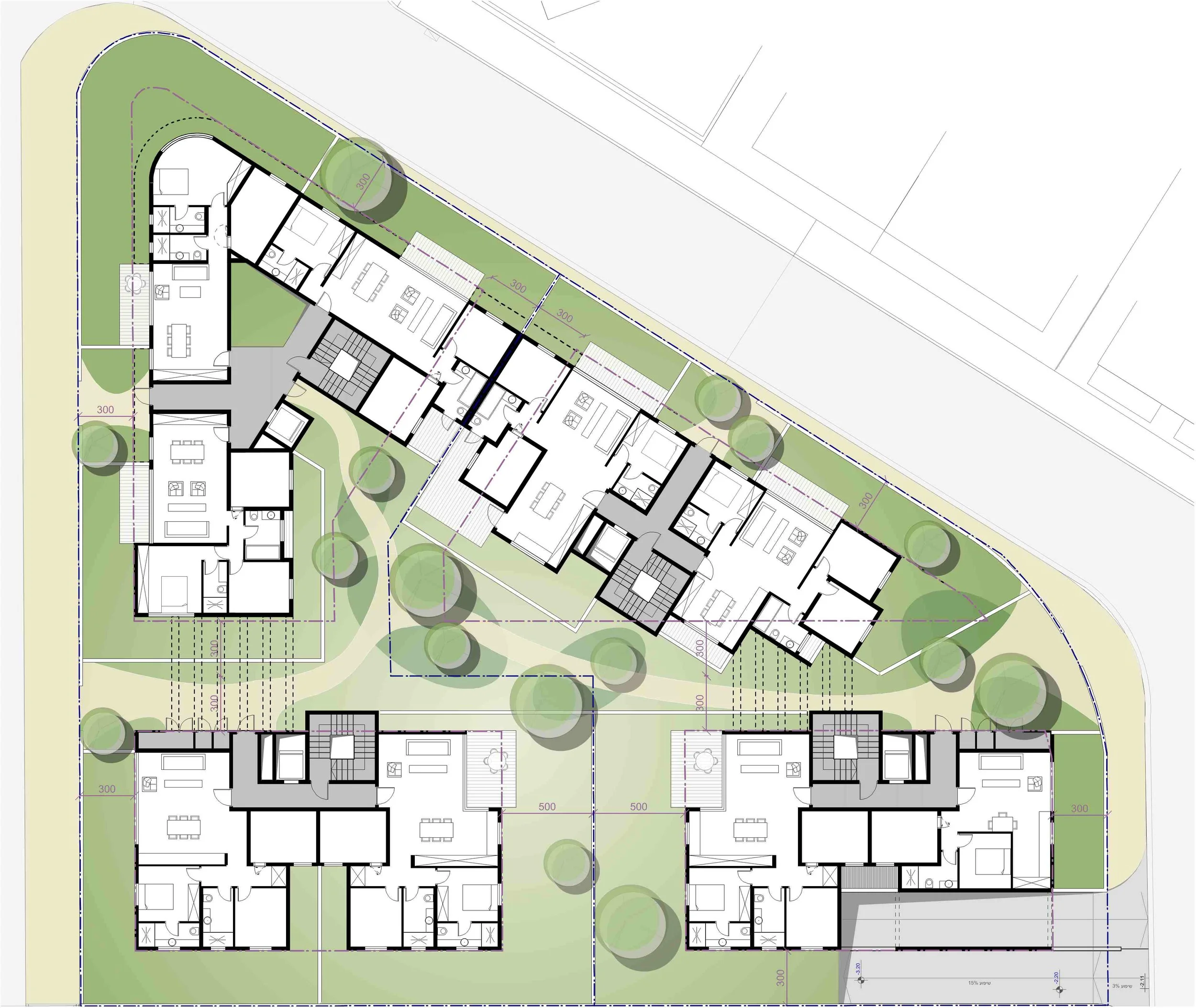
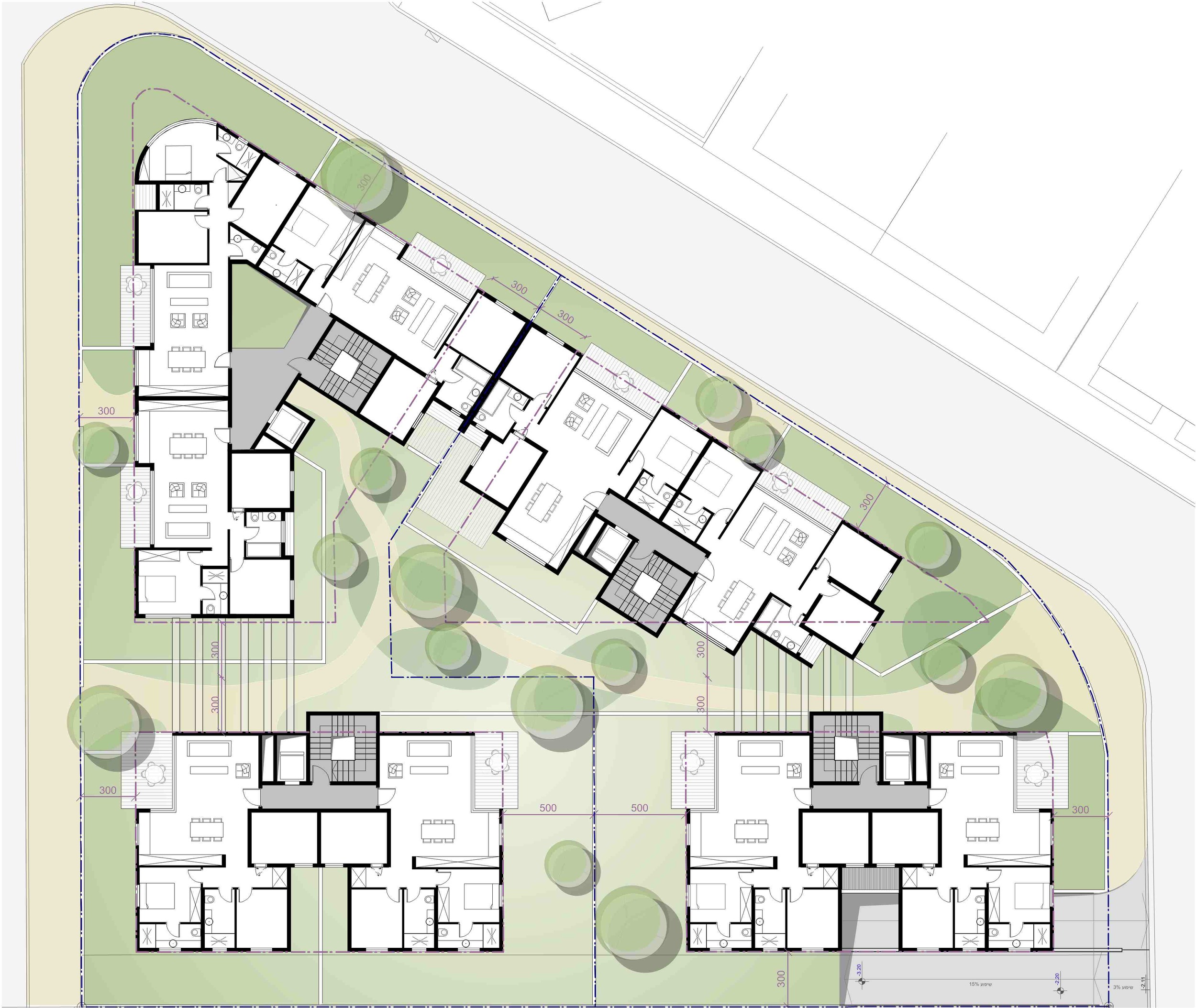
Instead, we returned to the classic Tel Aviv buildings of the 1950s - buildings that shape the street rather than merely stand beside it. We looked again at the gardens beneath buildings, which sometimes connect one street to another, and at buildings that communicate with one another rather than existing as isolated, self-centred objects.
Hatikva is not only the name of a neighbourhood. It also represents the belief that things can be done differently - and a little better.
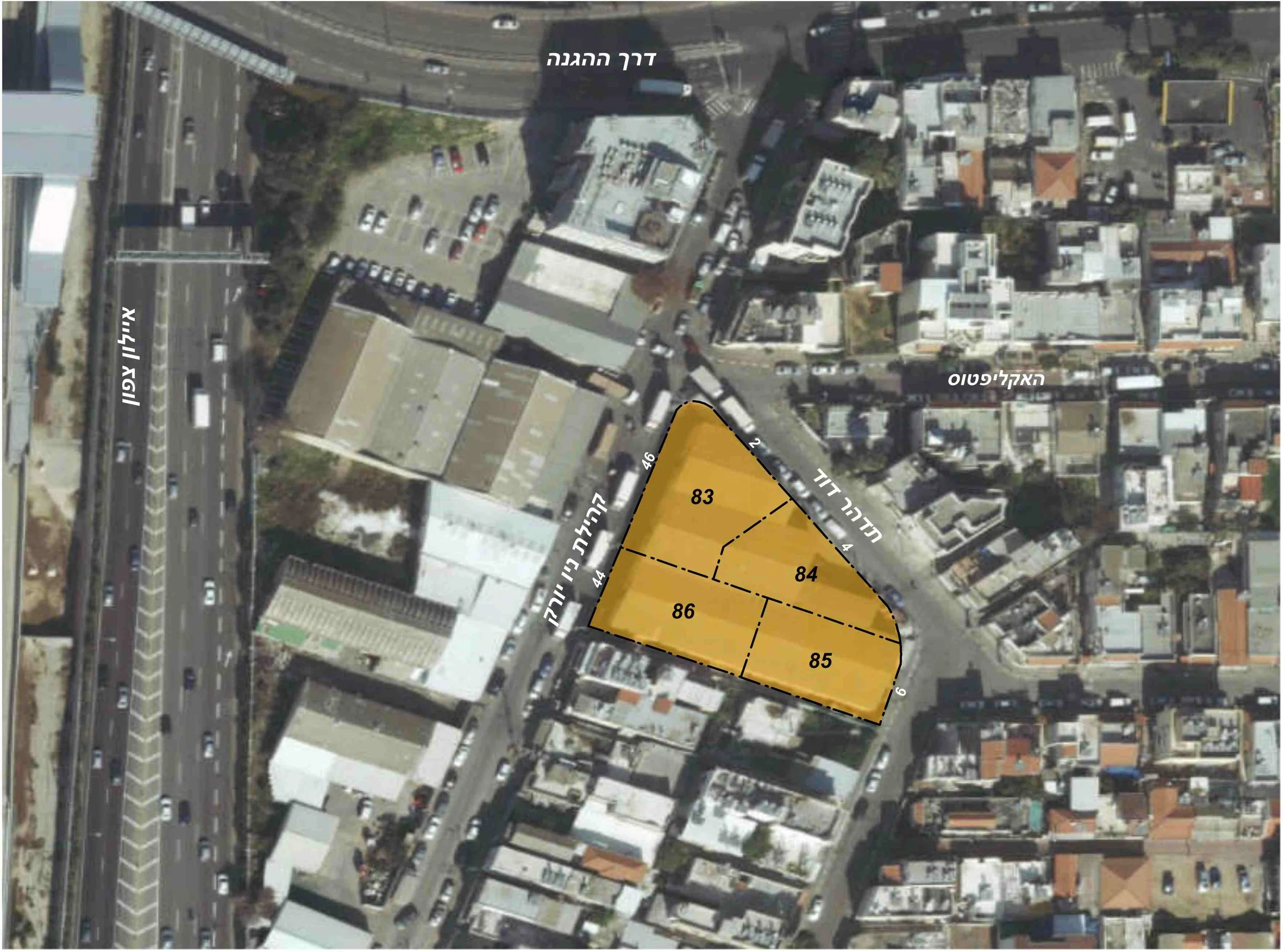
Site Area: 2,200 sqm | Number of Apartments: 52 | Architect in Charge: Hadas Wexler | Project Management: T.N.A | Entrepreneur: Svirsky | Illustrations: Anderman Architects
האמת היא שלא ביקרנו בשכונת התקווה במשך שנים. כשחזרנו אליה גילינו שכונה חיה, מלאה בקסם פשוט ולא מתאמץ: בתים קטנים, אנשים במרפסות, גינות ציבוריות, מכולת שכונתית ורחוב פעיל.
היה ברור שלא נכון להציב כאן שני בניינים בני שמונה קומות שיכלו להיבנות בכל עיר אחרת. במקום זאת חזרנו אל בנייני תל אביב של שנות החמישים - מבנים שמעצבים את הרחוב, יוצרים גינות מתחת לבניין ומקיימים קשר עם סביבתם.
התקווה אינה רק שם השכונה. היא גם האמונה שאפשר לבנות אחרת, ובתקווה גם מעט טוב יותר.