Opaque?
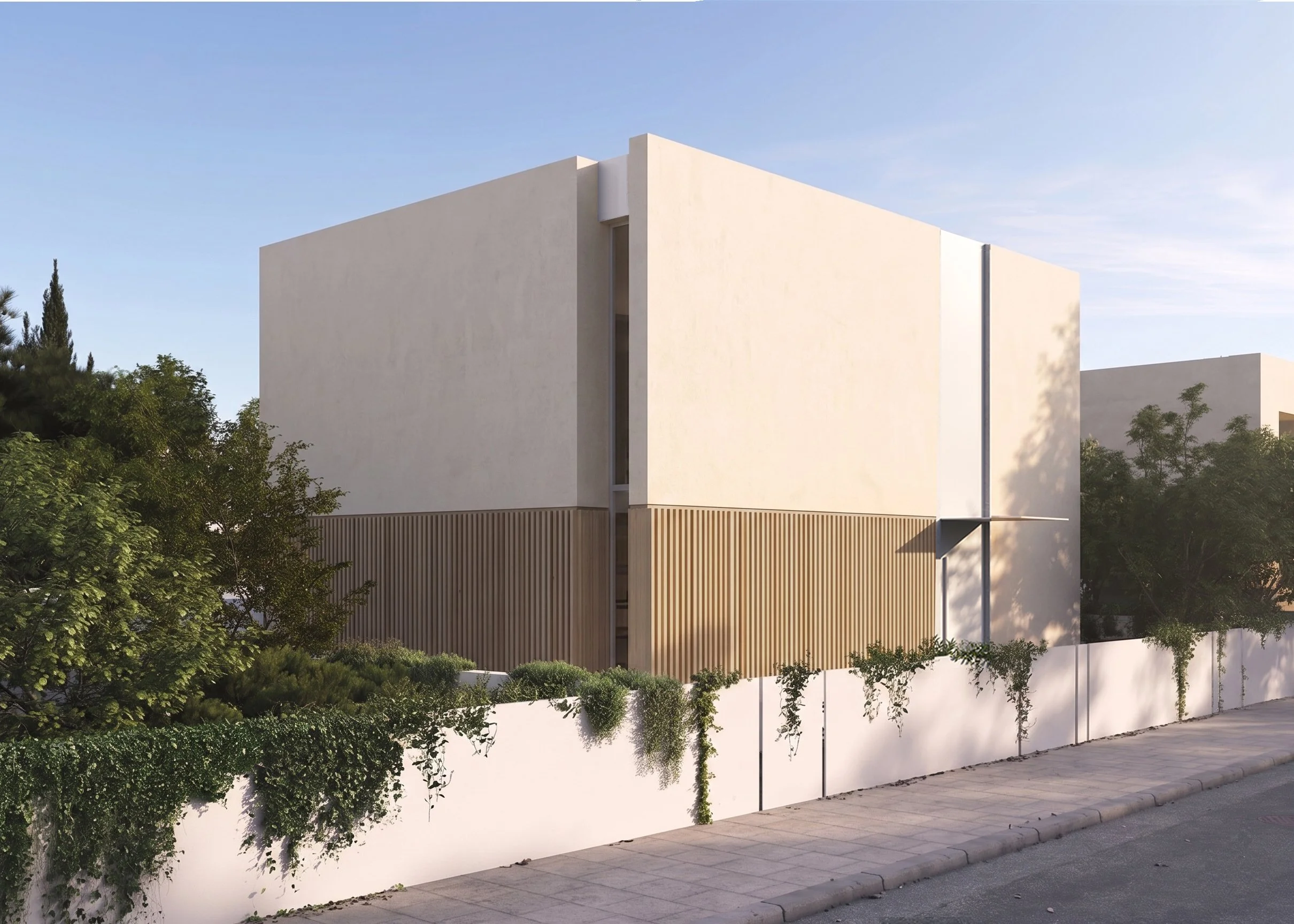
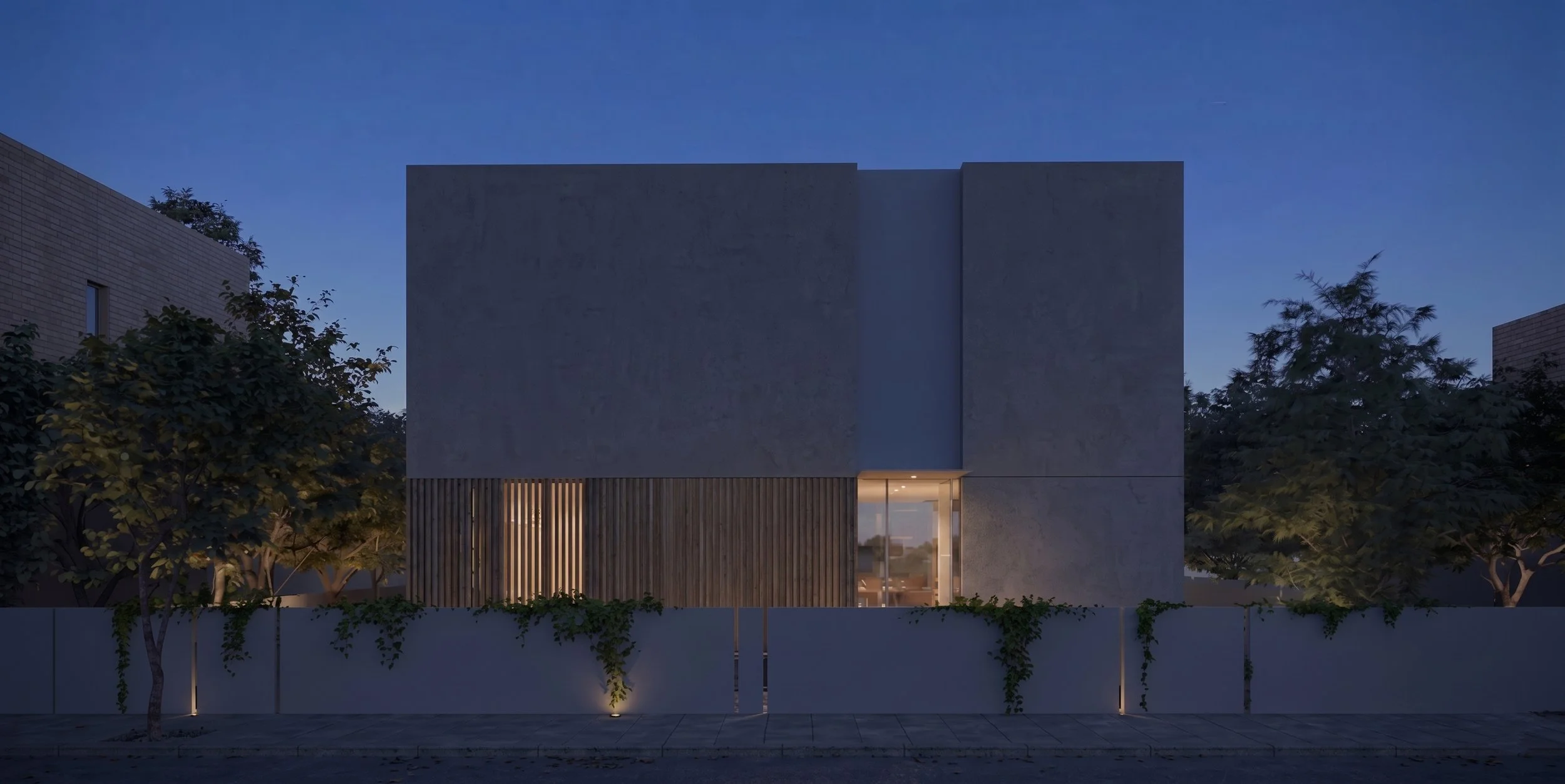
At first glance, it appears opaque—perhaps even too opaque.
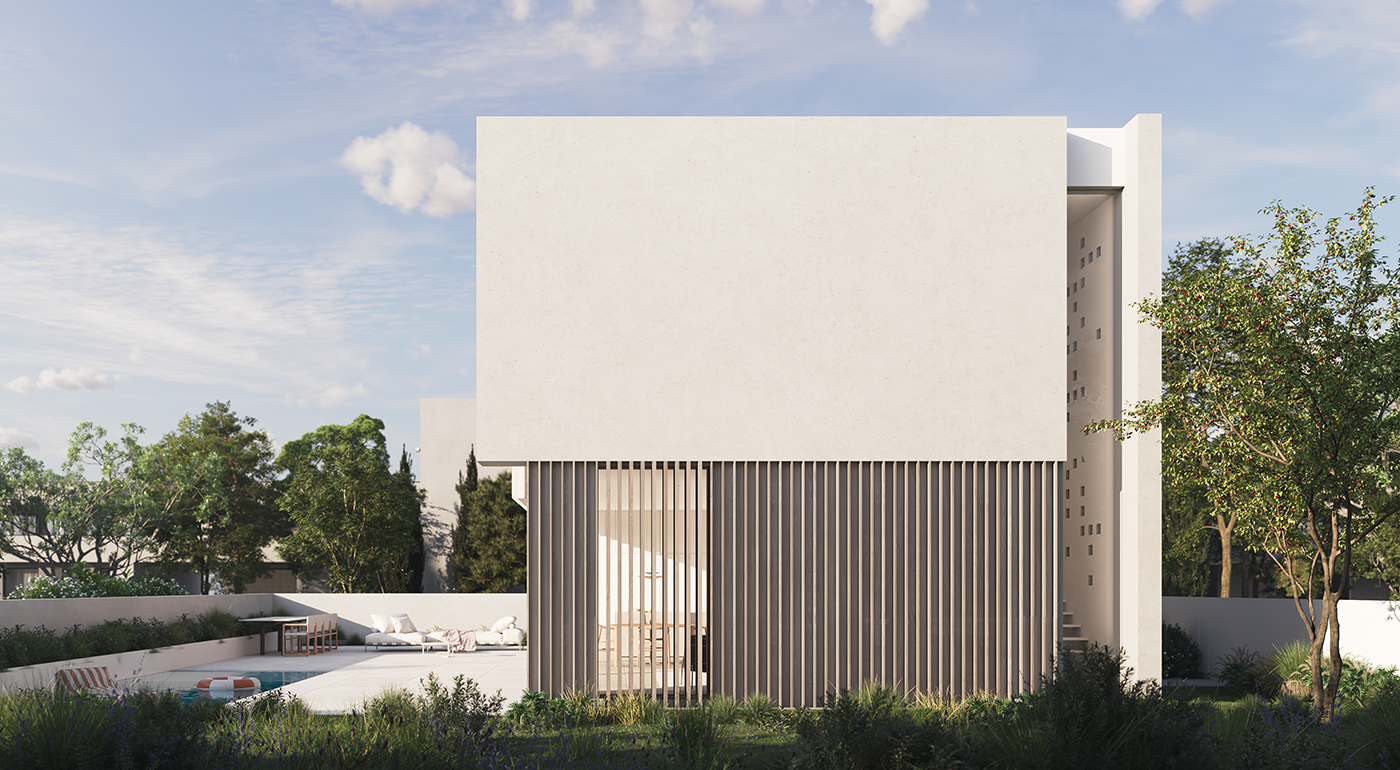
At second glance, once the eye adjusts, the openings begin to appear. Between the wooden slats, narrow gaps are revealed, allowing a measured and deliberate view inward. Then another opening appears, and another.
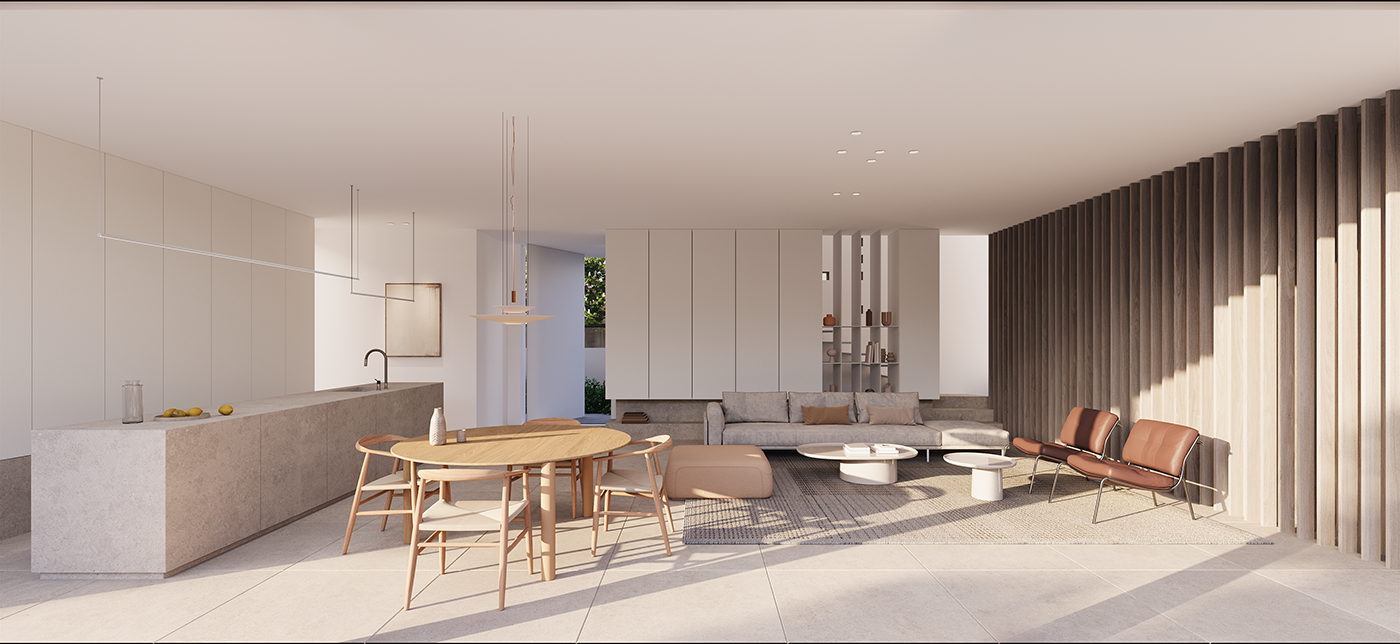
As one moves slightly to the right or to the left, more of these openings become visible. The seemingly opaque wooden wall reveals itself to be more complex than it first appears. Parts of it are indeed closed, while others allow for carefully controlled views—both from outside in and from inside out.
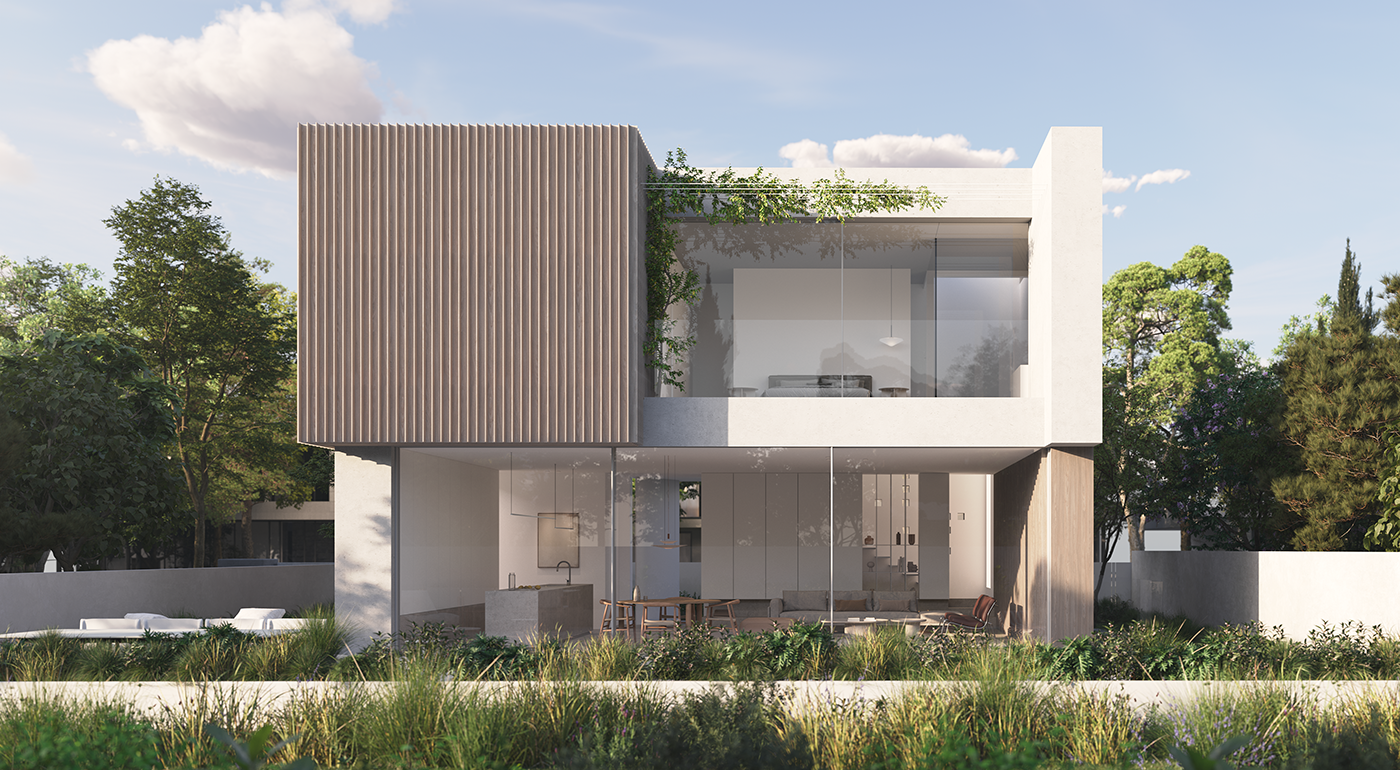
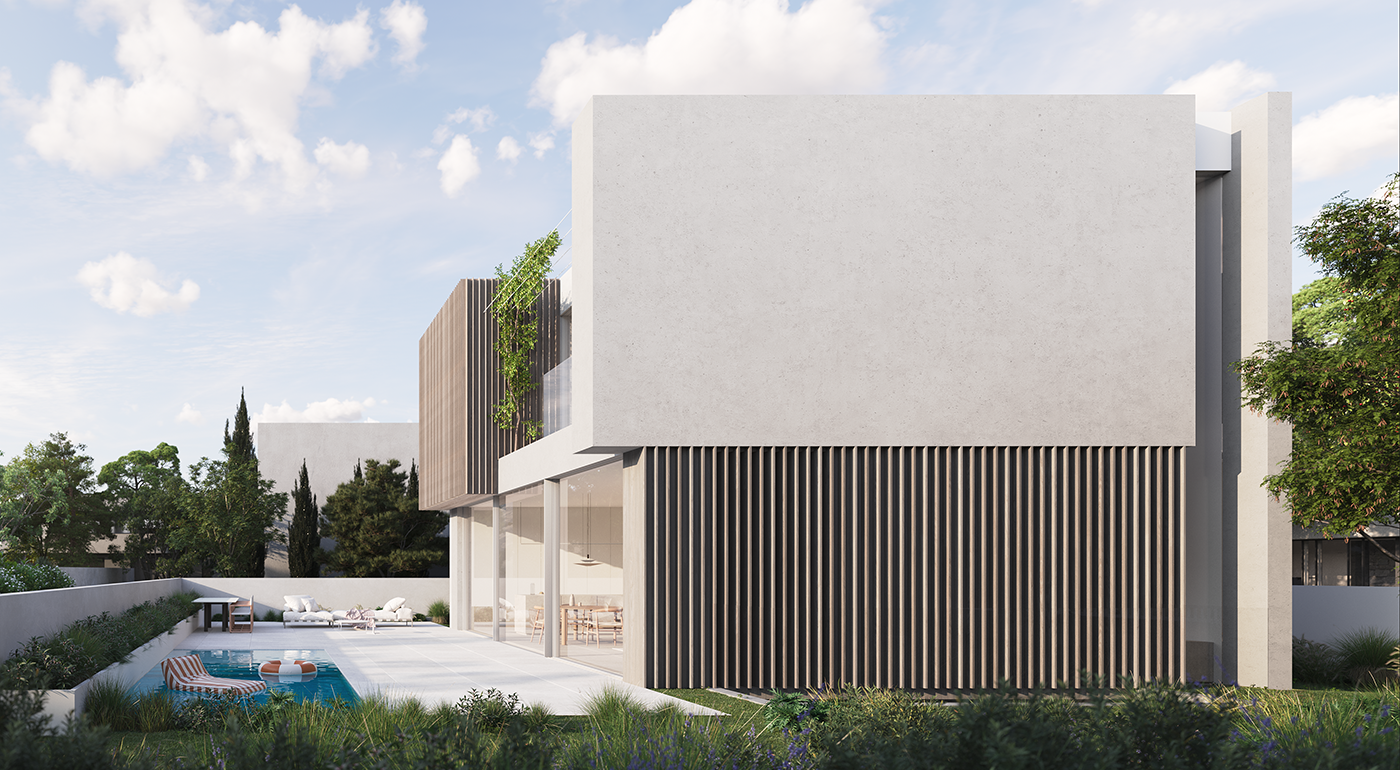
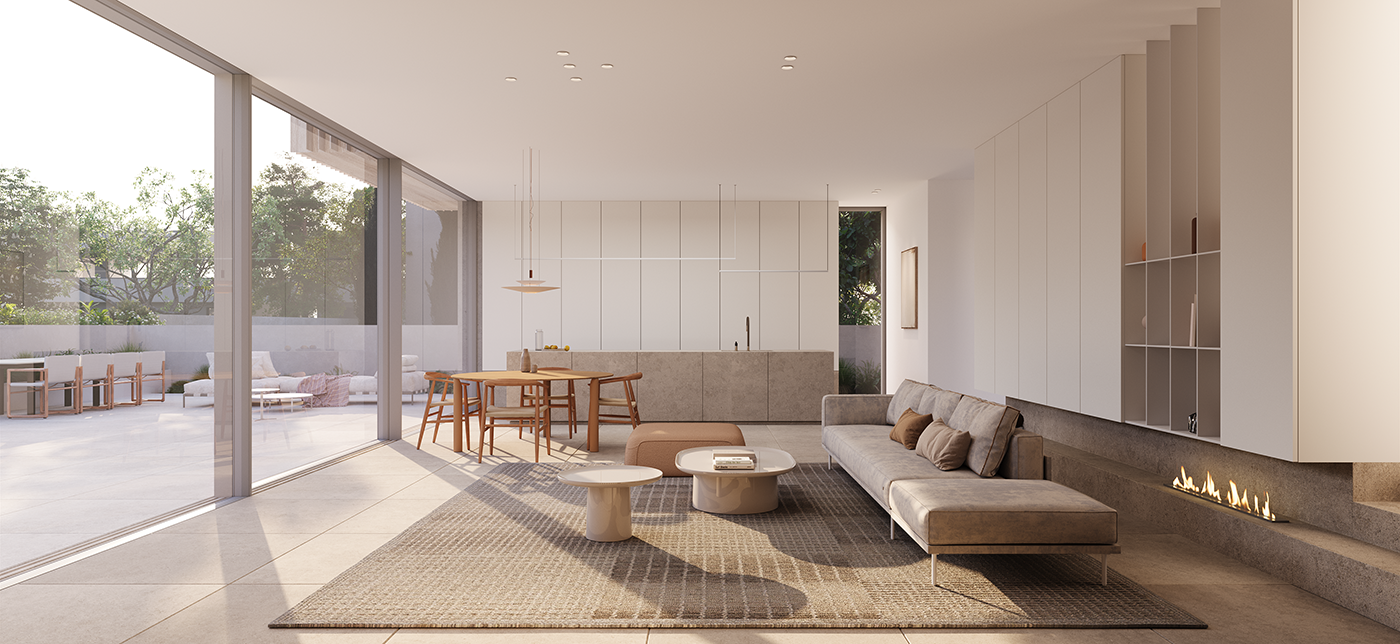
As you move around the house, from the front garden to the rear one, the proportions change dramatically. They reverse. Entire facades become transparent, merging the interior with the garden and connecting them as one continuous space.
The opacity toward the street makes the openness at the back possible.
Balance, proportion, harmony.
במבט ראשון הבית נראה אטום, אולי אפילו אטום מדי. אך ככל שמתבוננים בו, מתגלים בין לוחות העץ פתחים צרים המאפשרים מבטים מדודים ומבוקרים פנימה והחוצה.
בתנועה קלה ימינה או שמאלה נחשפות שכבות נוספות, והקיר שנראה סגור מתגלה כמערכת מורכבת של אטימות ופתיחות.
בחלקו האחורי של הבית היחסים מתהפכים: החזיתות נפתחות אל הגינה, והפנים והחוץ מתחברים למרחב רציף אחד. האטימות כלפי הרחוב היא שמאפשרת את הפתיחות מאחור.
איזון, פרופורציה, הרמוניה.